
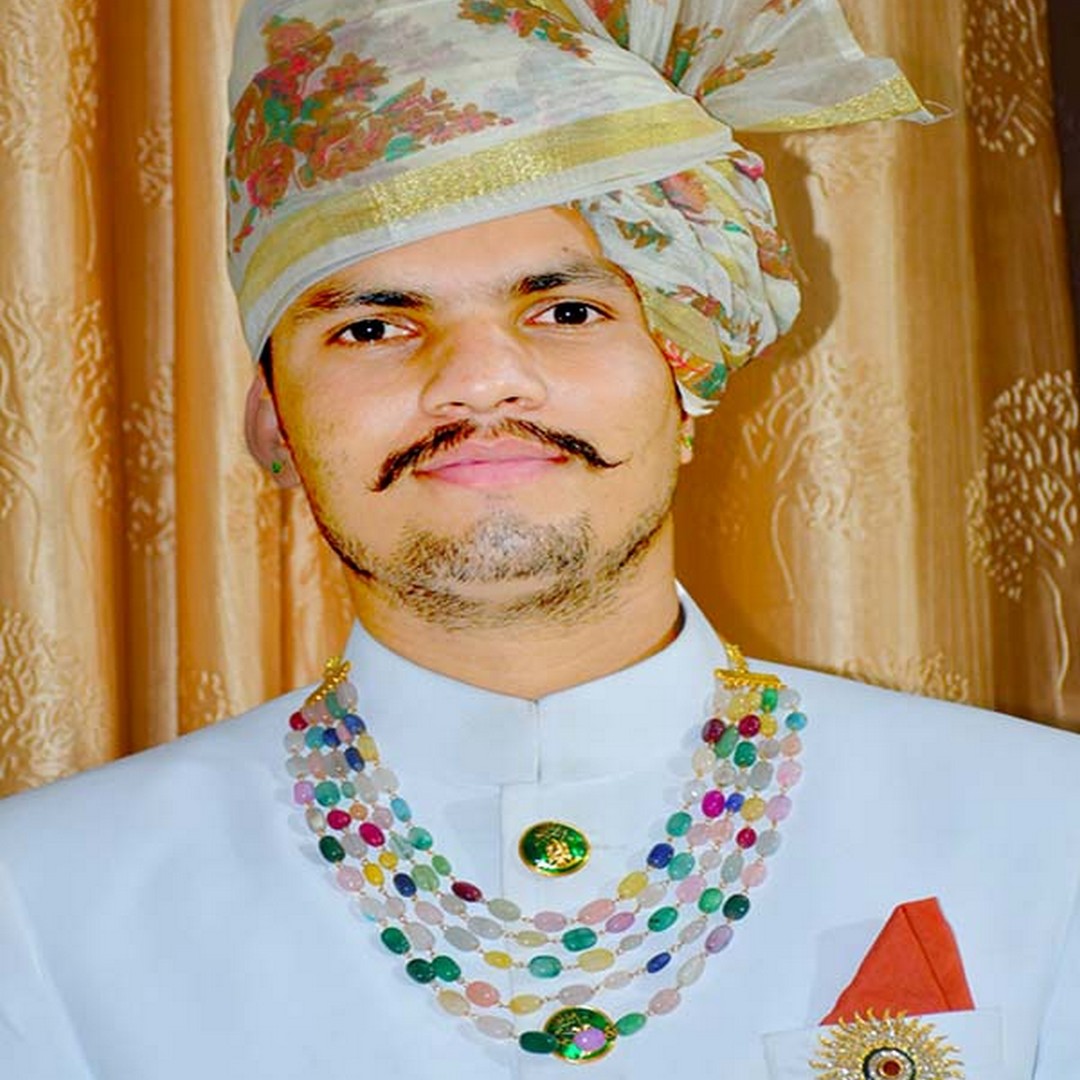
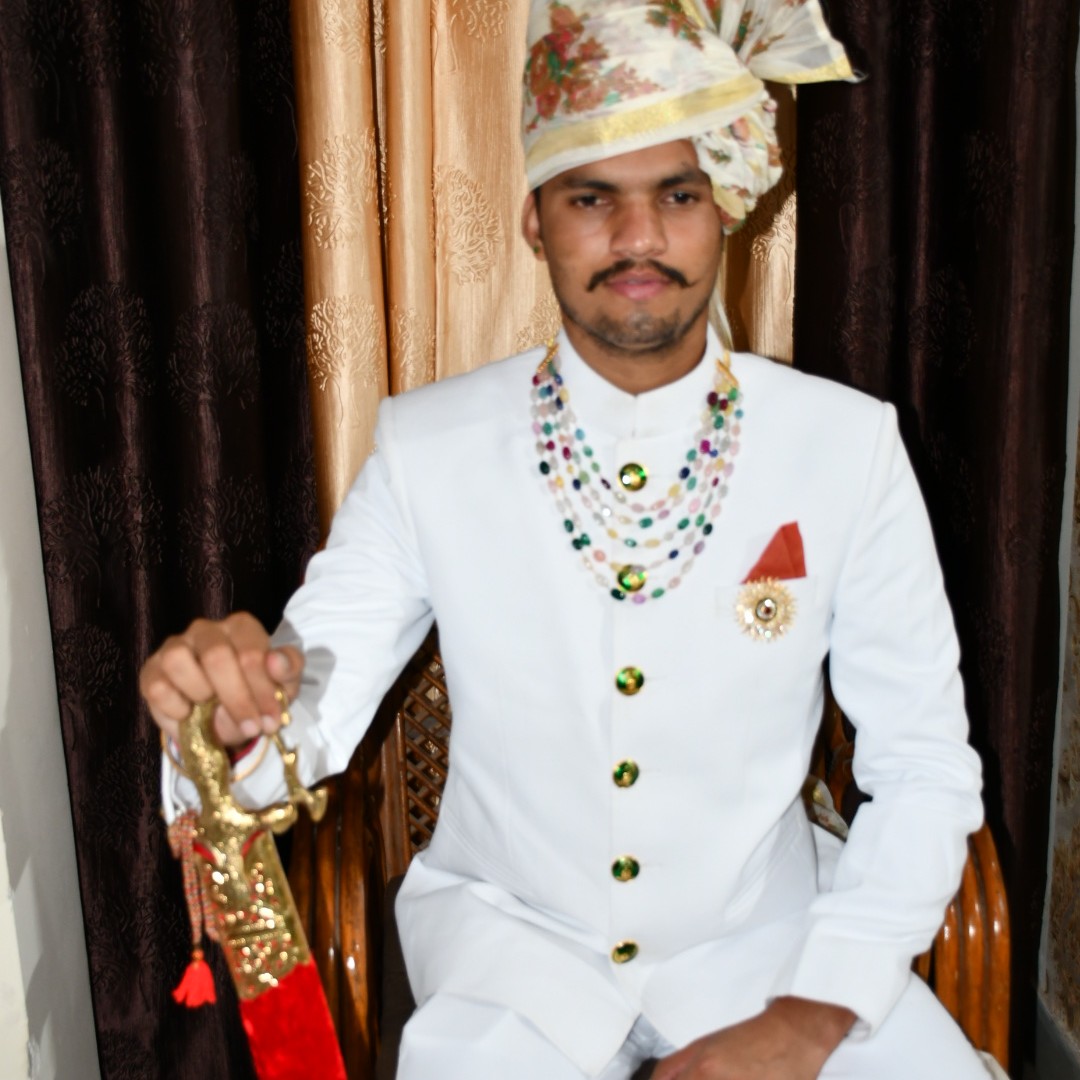


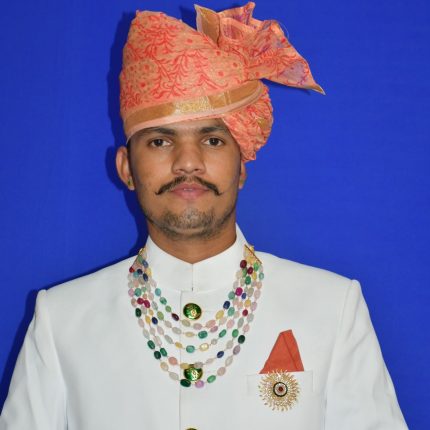
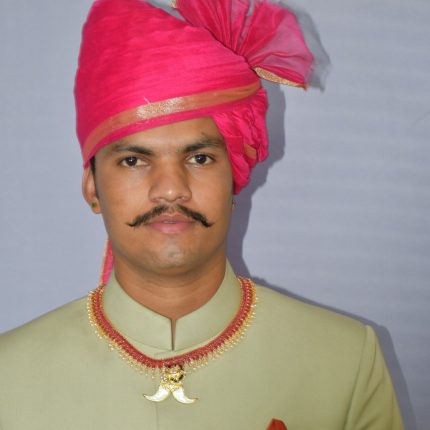
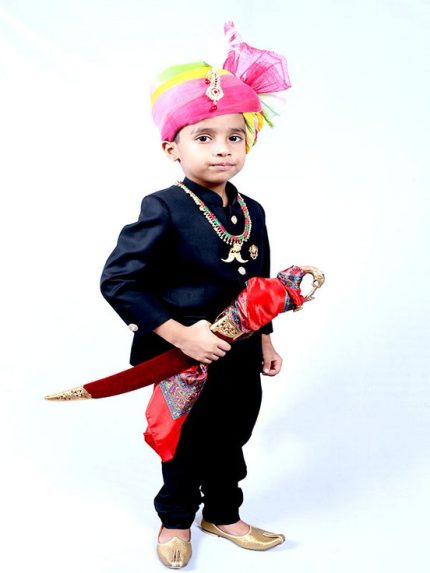
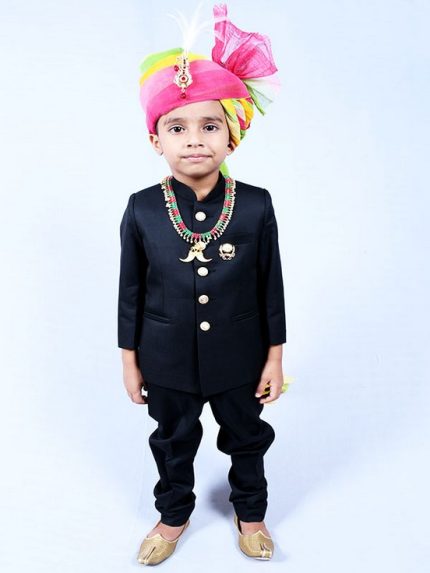
A Rajasthani safa is a traditional, ornamental turban worn by men in Rajasthan, symbolizing pride, honor, and cultural heritage. Made from fine fabrics like cotton, silk, or velvet, these headgears are often dyed or block-printed with motifs and can be embellished with precious stones or pearls. Safas are worn for various occasions, especially weddings, where they serve as an integral part of the groom’s attire, with different styles and colors reflecting specific meanings.
-
Symbolism:
The safa represents pride, honor, respect, and goodwill.
-
Fabric:
It is traditionally made from cotton, silk, or velvet, with variations like bandhani or chunari.
-
Color:
Colors hold significance; bright colors often denote festivities, while white symbolizes purity and peace.
-
Embellishments:
Safas are sometimes adorned with precious stones, pearls, or a sarpech (a jeweled brooch).
-
Occasions:
Worn for important events, including weddings, cultural festivals, and religious ceremonies.
Types of Safas
- Jodhpuri Safa: Often used during wedding ceremonies, these can be quite long.
- Panchrangi Safa: A multi-colored cotton turban suitable for both adults and children.
- Jaipuri Safa: A distinct style originating from the city of Jaipur.
- Pachrangi Safa: A handcrafted, multi-colored cotton turban.
Cultural Significance
- Weddings: Safas are a central part of Rajasthani wedding traditions, especially for the groom.
- Gifting: They are also offered as a gesture of respect, love, and goodwill.
- Pride and Honor: Wearing a safa is associated with a person’s pride and sense of honor.




Reviews
There are no reviews yet.